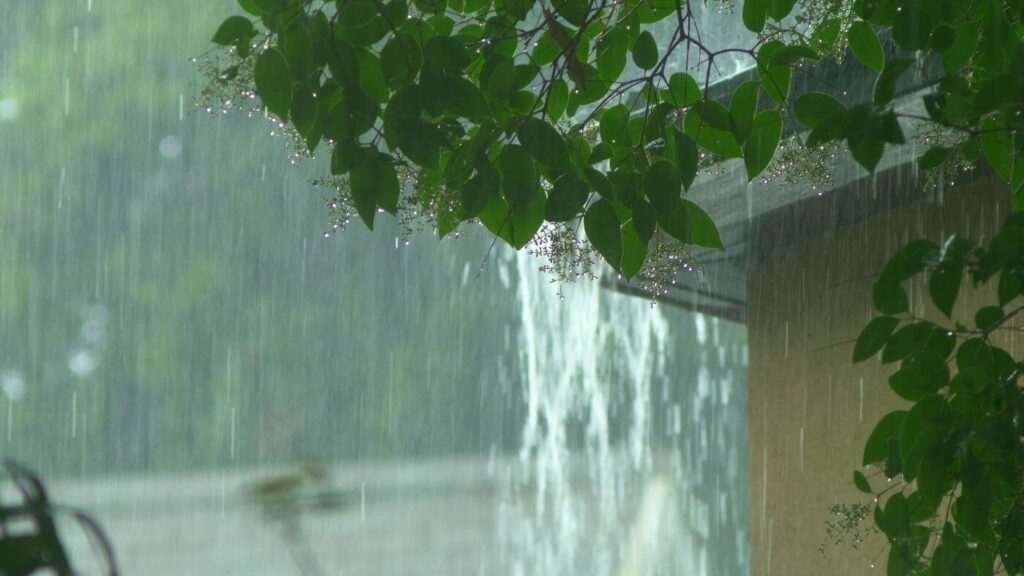
How Proper Gutter Installation and Maintenance Prevents Storm Water Damage to Homes
By Jason Bahan, Absolute Gutters
Storm water can cause serious damage to homes, especially in places that see heavy rains. Knowing what raises the risk—and what you can do about it—helps homeowners protect their property. This article covers practical steps for preventing water damage, focusing on the role of correct gutter installation and ongoing maintenance. You’ll learn the common warning signs, local factors to consider when hiring gutter services, and simple practices you can adopt to lower the chance of costly repairs.
Best Practices for Gutter Installation and Maintenance
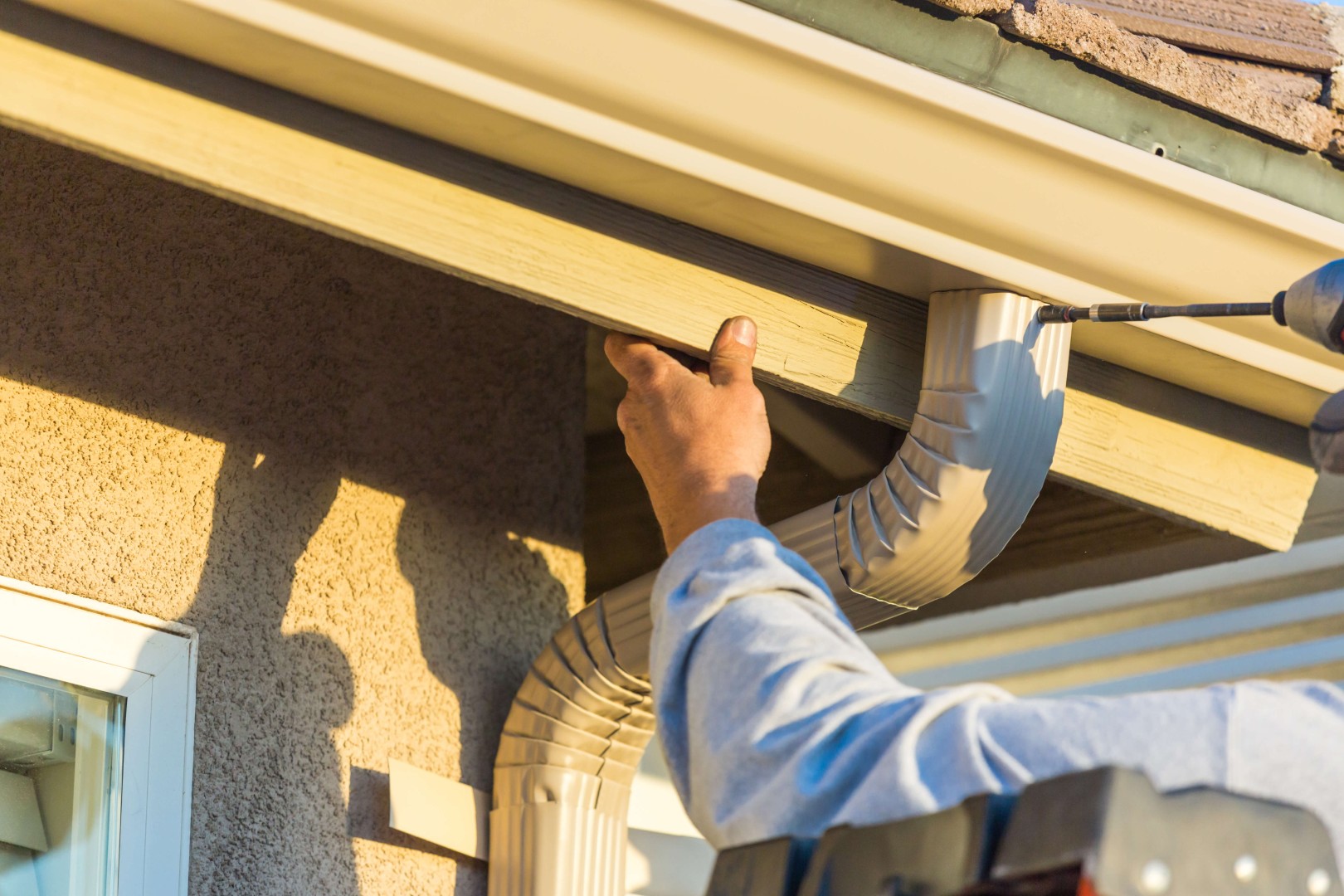
Well-installed and well-maintained gutters direct rainwater away from your home and foundation, preventing pooling and seepage. Key practices include choosing seamless gutters, following local building codes, and setting the correct pitch so water flows freely. Keep a regular cleaning schedule to avoid debris buildup, and have a professional inspect the system periodically to catch small issues before they become expensive repairs.
Keeping gutters in good shape not only extends their service life but also strengthens your home’s defense against storm water damage.
Common Signs of Water Damage
Spotting water damage early can save you from bigger repairs down the road. Watch for these clues:
- Water Overflow from Gutters: Water spilling over during storms usually means gutters are clogged or not sized/installed properly and aren’t channeling water away as they should.
- Sagging Gutters: Gutters pulling away from the house often indicate they’re carrying too much debris or standing water and need cleaning or support repairs.
- Staining on Siding and Foundation: Dark streaks on siding or a persistently wet foundation point to ongoing drainage problems where gutters may be failing.
Noticing these signs early gives you time to fix the issue before structural or basement damage occurs.
Local Considerations for Gutter Services
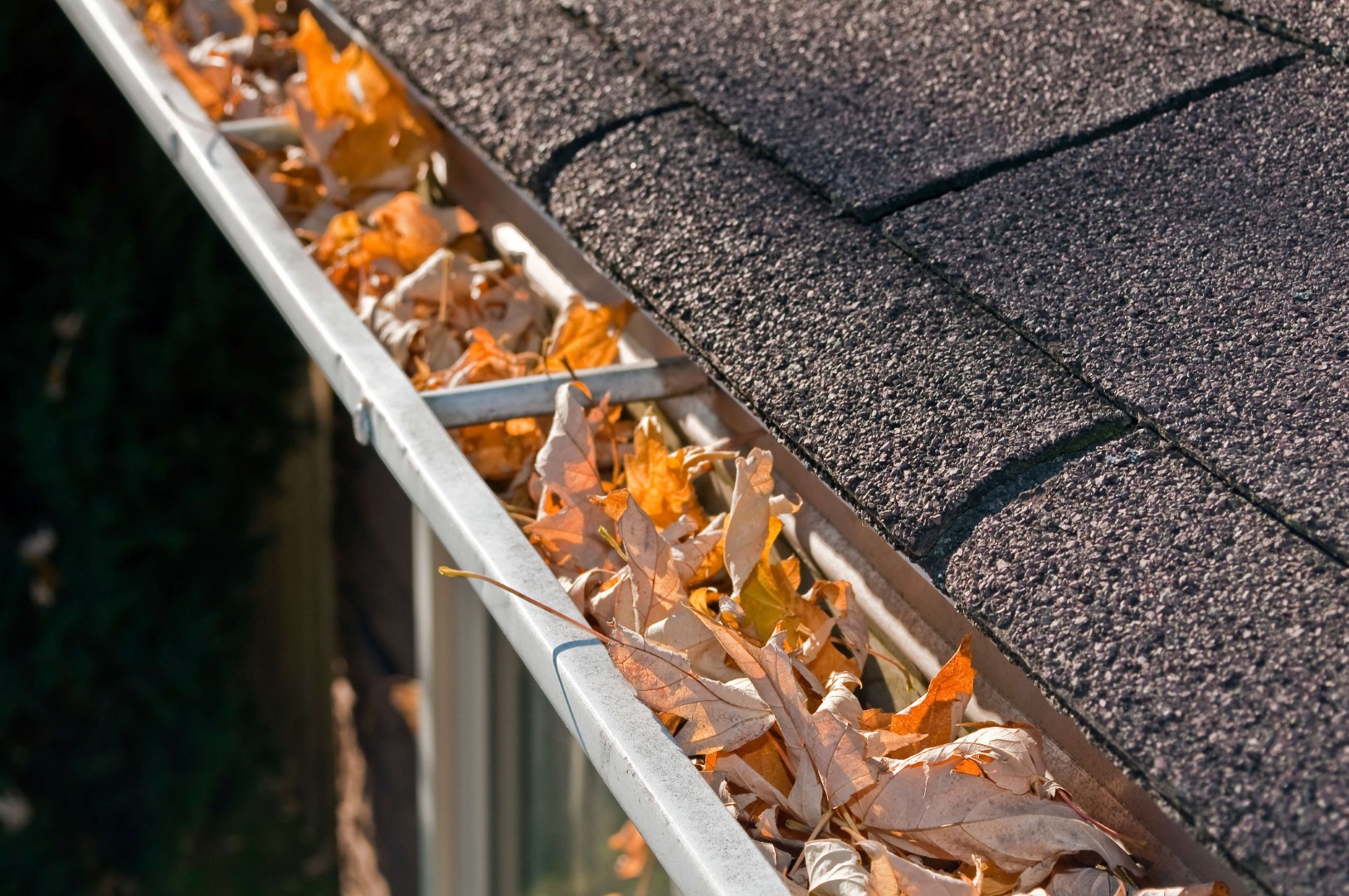
In Southern New Hampshire, weather swings and seasonal leaf drop affect gutter performance. Overhanging trees increase debris and call for more frequent cleanings or guards. Local soil types and yard grading also change how quickly water drains away from the foundation. When planning gutter work, consider local weather patterns, nearby foliage, and proper downspout placement to handle heavy rains common in the area.
How Does Proper Gutter Installation Prevent Storm Water Damage?
Correct installation keeps water moving away from your home where it can’t harm the foundation or structure. That means choosing durable materials—like seamless aluminum—setting the right slope so water drains, and installing adequately sized downspouts for heavy downpours. Proper hangers and secure attachments prevent sagging, while regular inspections make sure any damage or wear is addressed quickly.
What Are the Benefits of Seamless Gutters Near Me?
Seamless gutters reduce leak points because they minimize joints, which cuts down maintenance and the chance of water intrusion. They also give a cleaner look to the home and often last longer than sectional systems. Over time, fewer repairs and improved performance translate into real savings for homeowners.
Why Choose On-Site Cut-and-Drop Fabrication Services?
On-site cut-and-drop fabrication produces gutters to exact house measurements, giving a precise fit and reducing material waste. This approach speeds installation and ensures gutters start working properly right away. Installers can match materials and colors to your home and offer immediate guidance on care to maximize lifespan.
Which Gutter Guards Work Best for Managing Storm Water?
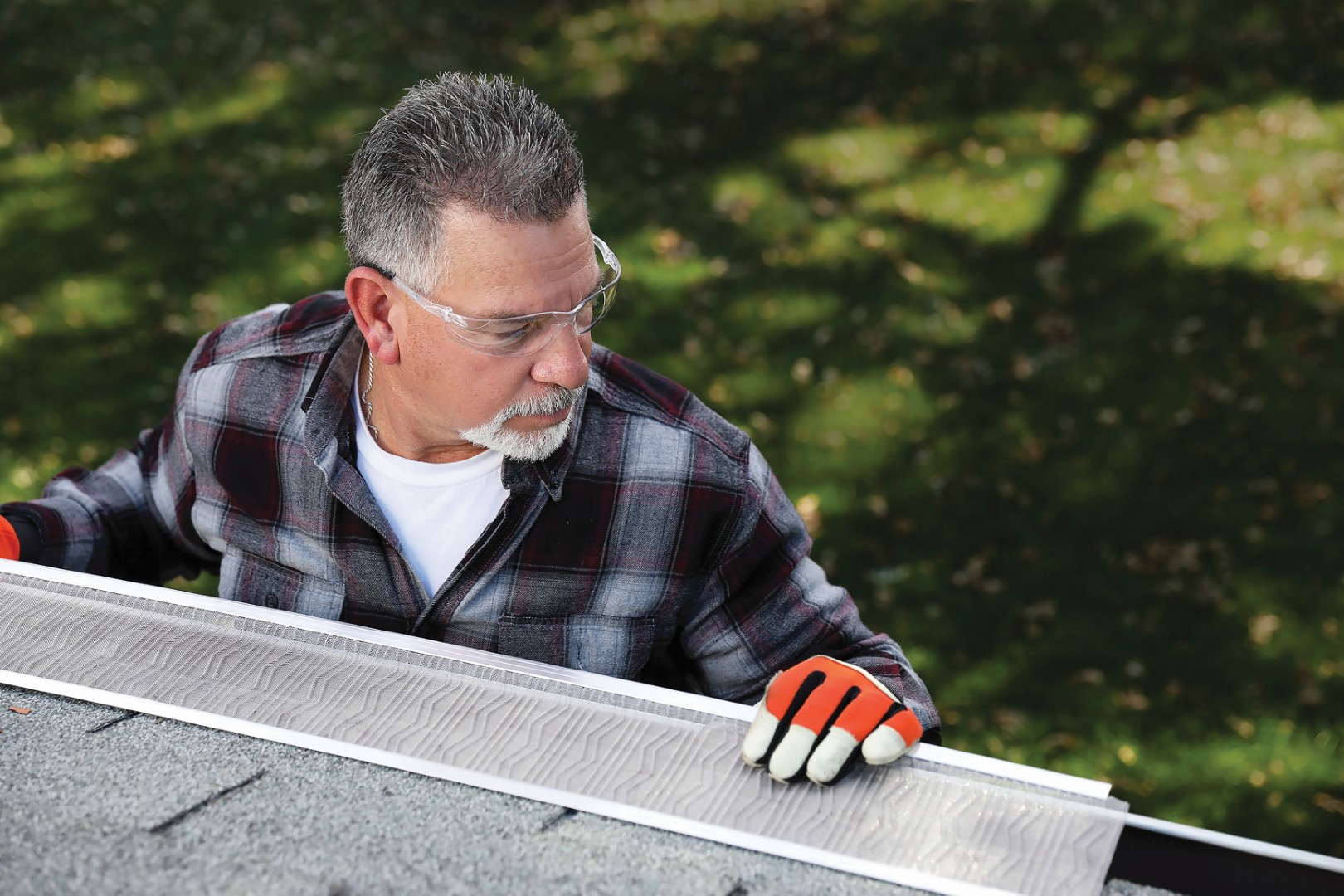
Gutter guards help keep debris out so water can flow freely. Common effective options include:
- Leaf Relief®: Filters leaves and larger debris while letting water enter the gutter, cutting down on cleaning frequency.
- LeafBlaster Pro®: Built to withstand tough weather and high flow rates, this guard offers durable protection and good drainage performance.
Choosing the right guard depends on nearby trees, local storms, and your maintenance preferences.
What Are the Best Practices to Prevent Basement Flooding and Water Damage?
Reduce basement flood risk with these steps:
- Ensure Proper Gutter Installation and Maintenance: Keep gutters clear and pitched so water drains away instead of pooling at the foundation.
- Implement Site Drainage Solutions: Extend downspouts and use splash blocks or underground extensions to move water several feet from the house.
- Utilize Downspouts Effectively: Make sure downspouts discharge water onto graded surfaces or into drains that carry it safely away from the foundation.
These measures lower the chance of storm water entering basements and protect your home from water damage.
How to Maintain Gutters Seasonally to Avoid Water Problems
Follow a seasonal routine to keep gutters ready for changing weather:
- Schedule Routine Cleaning: Clean gutters at least twice a year—more often if trees overhang your roof.
- Inspect after Heavy Rains: Check for blockages, leaks, or overflow after storms and address problems right away.
- Address Common Issues Promptly: Tighten loose hangers, reseal joints, and replace damaged sections to keep the system functioning.
Regular seasonal care helps gutters manage stormwater effectively year-round.
Which Roof Drainage Solutions Help Divert Storm Water Safely?
Good roof drainage starts with correctly sized gutters and downspouts working together to move water away from the home. Adding catch basins or surface drains where water tends to pool can prevent runoff from soaking into soil near the foundation. Choosing the right gutter system—such as seamless designs with proper pitch and secure hangers—keeps water flowing away from the structure and reduces the risk of seepage into the house.


