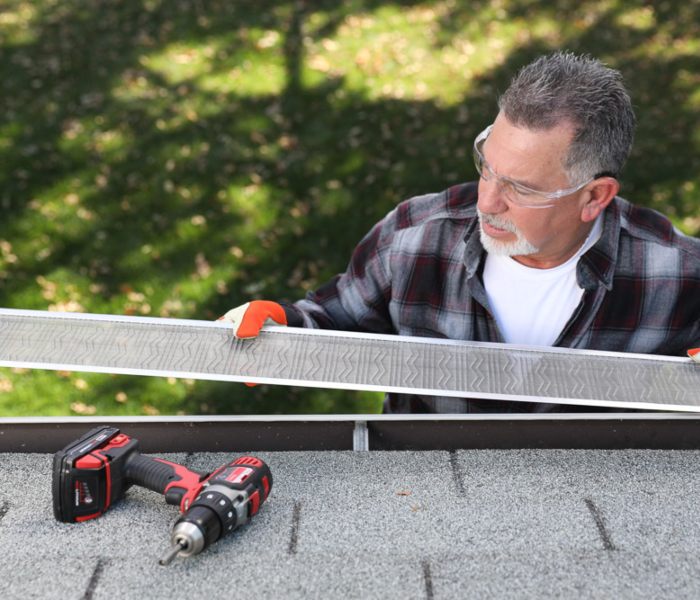
Replacing rain gutters is a crucial maintenance task that protects your home from water damage and enhances its overall value. This comprehensive guide will provide you with essential information regarding the steps involved in gutter replacement, different types of materials you can choose from, costs associated with their installation, and effective maintenance practices. Understanding the intricacies of rain gutter replacement helps homeowners mitigate water-related issues while ensuring that their investments are long-lasting. In this guide, we will explore gutter types, installation processes, cost factors, maintenance tips, and whether to choose a DIY or professional approach for your gutter needs.
What Are the Different Types of Rain Gutters and Materials?
Rain gutters come in various types and materials, each with its pros and cons. Understanding these options is essential to make the right choice for your home. Common gutter materials include seamless gutters, aluminum gutters, copper gutters, and vinyl gutters, each providing unique benefits based on durability, aesthetics, and cost.
How Do Seamless, Aluminum, Copper, and Vinyl Gutters Compare?
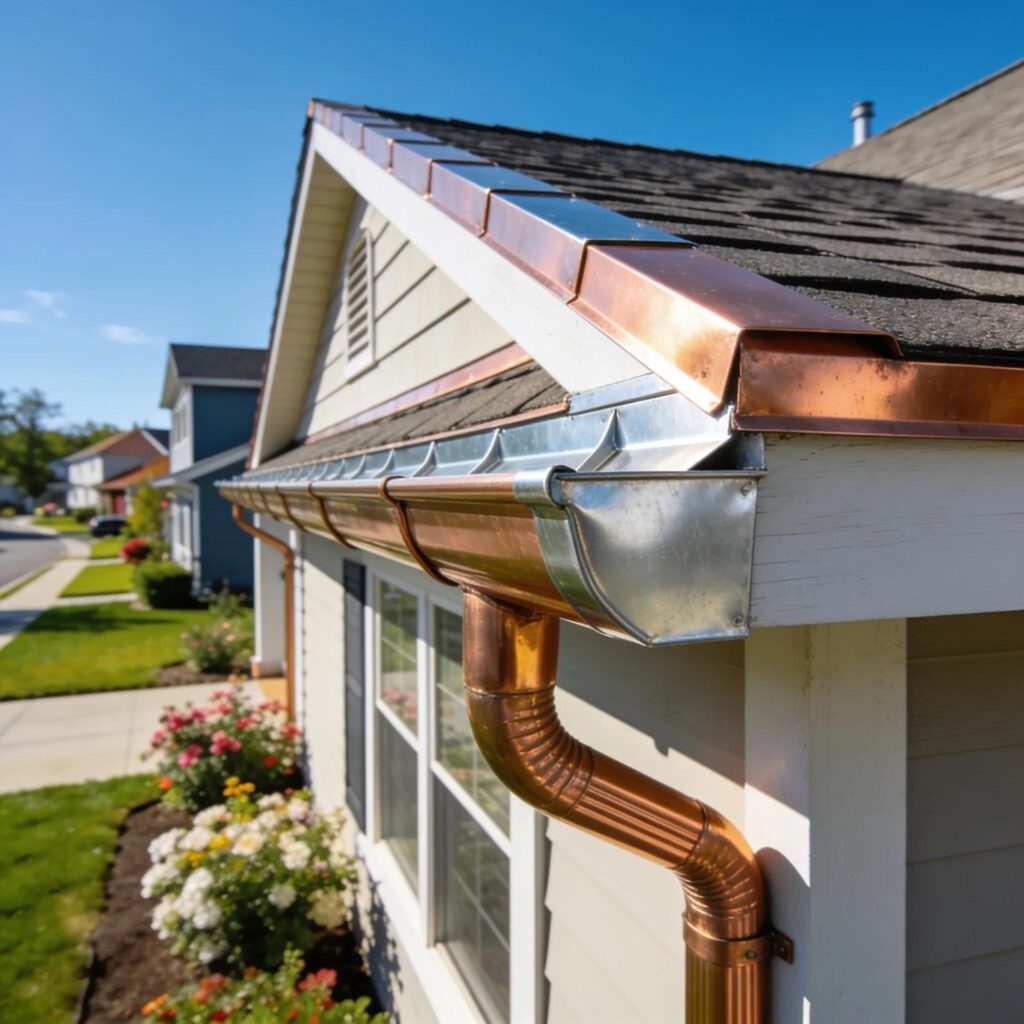
When comparing seamless gutters, aluminum gutters, copper gutters, and vinyl gutters, several factors come into play, including durability, cost, and maintenance needs.
- Seamless Gutters: Seamless gutters are custom-fit and are less prone to leaks due to their continuous design. They are typically made of aluminum or steel, enhancing their durability.
- Aluminum Gutters: Lightweight and resistant to rust, aluminum gutters are widely popular. They are available in various colors and can last up to 20 years or more with proper maintenance.
- Copper Gutters: Known for their beauty and longevity, copper gutters can last 50 years or more but at a higher installation cost. Their aesthetic appeal often increases home value.
- Vinyl Gutters: Affordable and easy to install, vinyl gutters are resistant to rust and corrosion. However, they may not be as durable in extreme weather conditions, lasting about 10-20 years.
Selecting the right gutter type depends on balancing aesthetics, budget, and long-term maintenance commitments.
Which Gutter Components Should You Know Before Replacement?
Before replacing your gutters, it’s essential to understand the various components that make up a gutter system. Key components include:
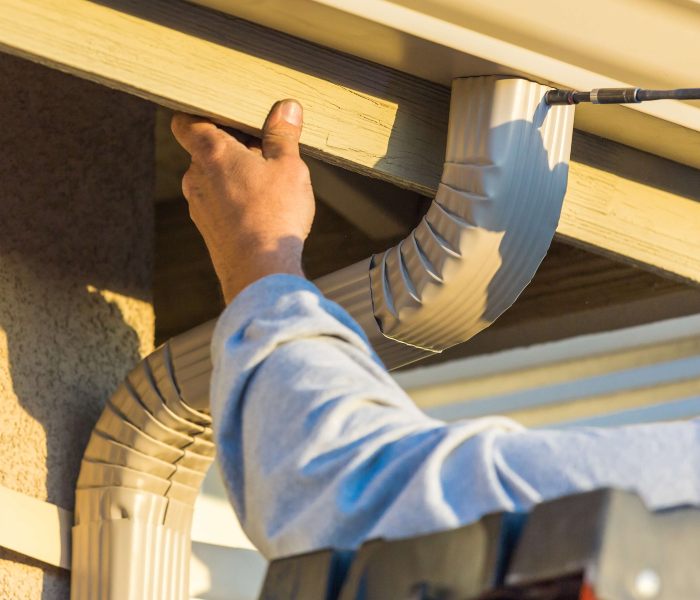
- Downspouts: These direct water from the gutters to the ground, preventing overflow and water pooling.
- Gutter Guards: These help keep leaves and debris out of the gutters, reducing maintenance and the risk of clogs.
- Hangers: Support structures that hold the gutters in place, ensuring they remain securely attached to your home.
- End Caps: Used to seal the ends of gutters, preventing water from escaping.
Familiarizing yourself with these components will prepare you better for the replacement process and help optimize the effectiveness of your new gutter system.
How to Replace Rain Gutters: Step-by-Step Installation Process
Installing new rain gutters involves careful planning and execution. The following steps outline the key phases of gutter replacement.
What Are the Essential Steps from Inspection to Removal and Installation?
- Inspection: Assess the current condition of gutters and determine whether a replacement is necessary. Check for rust, holes, and sagging sections.
- Removal: Carefully detach old gutters, taking care to avoid damaging the edges of your roof. This can involve unscrewing or prying loose depending on the fastening method used.
- Preparation: Prepare the area by cleaning the roof edges and removing any debris.
- Measurement: Measure the length of the new gutters needed, ensuring that they slope correctly for drainage.
- Installation: Secure the hangers at appropriate intervals, and connect the pieces of the gutter system, ensuring proper alignment for drainage.
Completing these steps requires precise measurements and some physical effort, making them an integral part of a successful gutter replacement project.
Which Tools and Materials Are Needed for Gutter Replacement?
Having the right tools and materials on hand can significantly ease the gutter replacement process. Essential items include:
- Tools: A ladder, drill, level, measuring tape, and a hacksaw for cutting the materials to size.
- Materials: The type of gutters chosen (e.g., aluminum, vinyl), hangers, downspouts, gutter guards, end caps, and sealant.
Creating a checklist before beginning the replacement can help ensure you are fully prepared for the task ahead, reducing the chance of interruptions during the installation.
What Factors Affect Gutter Installation Cost and How Is It Calculated?
Understanding the factors that contribute to gutter installation costs can help you budget appropriately. Multiple variables can impact the overall expenses associated with gutter replacement.
How Does Material Choice Impact the Cost per Linear Foot?
Understanding these costs is essential for making an informed decision that meets your budget and durability requirements.
Should You Repair Gutters or Opt for Full Replacement? Cost vs Benefit Analysis
When deciding between repairing your gutters or opting for a full replacement, consider the following factors:
- Repair Feasibility: Minor leaks can often be fixed without the need for replacement, which can save money.
- Age of Gutters: If the gutters are nearing the end of their lifespan (typically over 20 years), replacement may be more cost-effective.
- Underlying Damage: Consider the condition of the roof and fascia boards. If these are compromised, a full replacement might be necessary.
Evaluating these aspects can help you determine the most cost-effective and beneficial approach to gutter maintenance.
What Are Effective Maintenance Tips After Gutter Replacement?
Maintaining your newly installed gutters is vital to ensuring they function correctly for an extended period. Implementing regular maintenance practices can extend their lifespan.
How Do Gutter Guards and Regular Cleaning Prolong Gutter Lifespan?
Utilizing gutter guards and committing to regular cleaning can significantly enhance the efficiency and longevity of your gutters.
- Gutter Guards: These devices can effectively block debris from clogging the gutters, allowing water to flow freely and reducing the need for frequent cleaning.
- Regular Cleaning: Even with gutter guards, it’s important to inspect and clean the gutters at least twice a year to prevent buildup that might cause overflowing or water damage.
By prioritizing these maintenance strategies, homeowners can protect their investments and ensure their gutters serve their purpose effectively.
When Should You Schedule Inspections or Repairs Post-Replacement?
Regular inspections are crucial after replacing gutters. It’s advisable to schedule evaluations at least twice a year, ideally in the spring and fall. Key signs that might indicate the need for immediate inspection or repair include:
- Visible Leaks or Water Damage: Look for dripping water or signs of mold near the gutters or foundation.
- Sagging Sections: Sections that appear to be pulling away from the house may require immediate attention.
- Debris Accumulation: Excessive leaves or debris in the gutters can lead to blockages, necessitating cleaning or reinforcement.
Proactively addressing these issues can help maintain your gutter system’s performance and prevent costly repairs down the line.
DIY vs Professional Gutter Replacement: What Are the Pros and Cons?
Deciding whether to replace gutters yourself or hire a professional can be a challenging choice.
What Skills and Safety Precautions Are Needed for DIY Gutter Replacement?
DIY gutter replacement requires basic carpentry skills and a commitment to safety. Essential skills include:
- Measurement Skills: Accurate measurements are critical for a good fit and effective drainage.
- Comfort with Heights: Since ladders will be used, ensuring you can work comfortably and safely at heights is necessary.
- Basic Handyman Skills: Familiarity with using tools and following safety procedures is essential to avoid accidents.
Safety precautions like using a sturdy ladder and potentially having a helper nearby can further minimize risks associated with this task.
How Do Professional Services Compare in Quality and Cost?
Hiring professionals offers distinct advantages over DIY installation, including:
- Expertise: Professionals understand best practices and common pitfalls in gutter installation, leading to better outcomes.
- Safety: With experience working at heights and handling tools, professionals typically face fewer risks than novice DIYers.
- Time-Saving: Professionals can complete the work more quickly, allowing for additional responsibilities or planning for subsequent home improvement projects.
However, hiring a professional service comes at a cost, so balancing quality and budget is essential when making this decision.


